
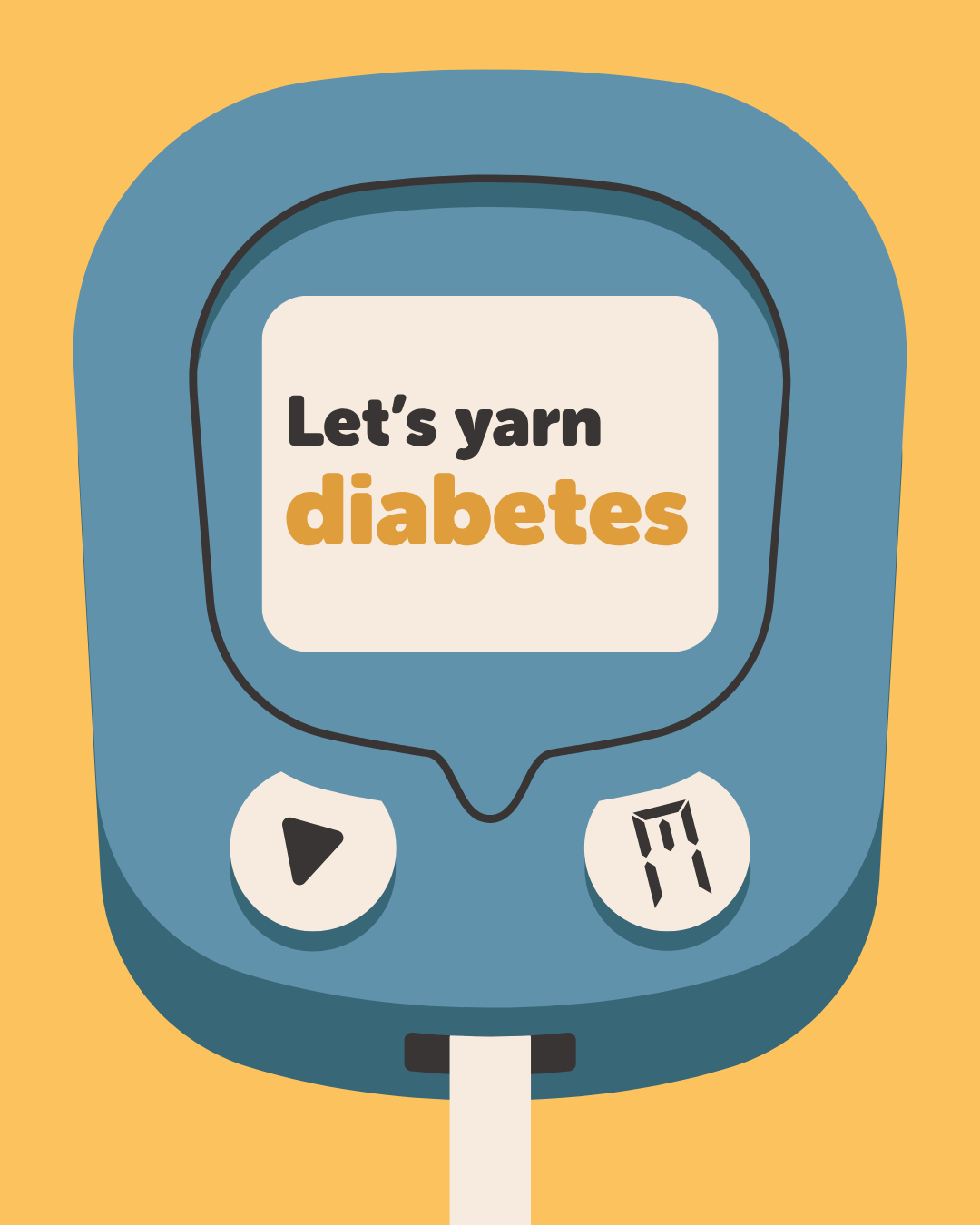

As Diabetes Week 2026 approaches, we encourage community members to learn more about diabetes, understand their personal risk, and make deadly choices for their health and wellbeing.
Diabetes is one of Australia’s most significant chronic health conditions, affecting individuals, families and communities across the country. According to the Australian Institute of Health and Welfare, around 1.5 million Australians were living with diabetes in 2022–24, with the condition having a substantial impact on health outcomes and healthcare services nationwide.
Diabetes impacts our Mob more, making early diagnosis through regular health checks and ongoing support really important. Diabetes can increase the risk of serious health complications, including heart disease, kidney disease, vision loss, infections and stroke if left unmanaged. The impact on foot health is often the first complication we see in our clinics.
What is diabetes?
Diabetes occurs when the body cannot properly regulate blood glucose (sugar) levels due to problems producing insulin, using insulin effectively, or both. Insulin is a hormone produced by the pancreas. The main forms are:
- Type 1 diabetes – an autoimmune condition that requires lifelong insulin therapy.
- Type 2 diabetes – the most common form, often linked to a combination of lifestyle and genetic factors.
- Gestational diabetes – diabetes that develops during pregnancy and requires careful monitoring and management.
Many people living with Type 2 diabetes can effectively manage their condition through healthy eating, regular physical activity, medication when required, and routine healthcare appointments.
Risk factors for Type 2 diabetes
While anyone can develop diabetes, certain factors can increase a person’s risk of developing Type 2 diabetes. These include:
- smoking
- being overweight or obese
- having a family history of diabetes
- being physically inactive
- having high blood pressure or high cholesterol
- increasing age
- history of gestational diabetes.
Our Mob are also at a higher risk of developing Type 2 diabetes and experiencing diabetes-related complications.
Understanding these risk factors is important because many cases of Type 2 diabetes can be prevented or delayed through healthy lifestyle changes and regular health checks. Early identification of risk allows people to access support and make positive changes before diabetes develops or worsens.
Early detection
One of the key messages of Diabetes Week is the importance of identifying diabetes early. Many people may not experience obvious symptoms in the early stages of having diabetes and can remain unaware they have the condition for years.
Common signs and symptoms can include:
- increased thirst
- frequent urination
- unexplained tiredness
- blurred vision
- slow-healing wounds or infections
- unexplained weight loss.
Regular health checks can help identify diabetes and other chronic conditions before complications develop. Early diagnosis and treatment can significantly improve long-term health outcomes.
Supporting healthier futures
At IUIH, our multidisciplinary healthcare teams work alongside communities to provide culturally safe and holistic care that supports prevention, early intervention and long-term management of chronic conditions such as diabetes.
There are ways you can reduce the risk of developing Type 2 diabetes and support people already living with the condition. These include:
- eating a balanced, nutritious diet
- being physically active most days of the week
- maintaining a healthy weight
- attending regular health checks
- taking medications as prescribed
- working closely with healthcare providers to monitor health goals.
If diabetes is undetected long-term
When diabetes is left untreated, high blood glucose levels can damage blood vessels, nerves and organs throughout the body over time. This can lead to serious health complications that may significantly affect quality and length of life.
Long-term complications can include:
- heart disease including heart attack
- stroke
- kidney disease leading to kidney failure
- vision impairment and preventable blindness
- nerve damage (neuropathy), particularly in the hands and feet
- foot ulcers, infections and, in severe cases, limb amputation.
The good news is that many of these complications can be prevented or delayed through early diagnosis, regular monitoring, healthy lifestyle choices and appropriate medical care.
Take the first step
Whether you have diabetes, care for someone who does, or simply want to learn more about prevention, Diabetes Week is an opportunity to start conversations, build awareness and support healthier futures for our communities.
Took book a health check, contact your local clinic
If you’re a Moreton ATSICHS client, you can ask for a referral into the Diabetes Care Clinics. These are specialised clinics at Moreton ATSICHS Deception Bay and Morayfield on alternating Tuesdays. The clinics consist of a diabetes educator, dietitian, pharmacist, podiatrist and optometrist – all in one appointment to take care of all your diabetes needs!
Early action can make a lasting difference.
Never miss out!
Subscribe to our newsletter to stay up to date with the latest events and news from our team.